
By Sundhanshu Pathania
Earth & Disaster Affairs Correspondent
Published: January 2, 2026
Time: 10:45 AM IST | 12:15 AM CST
Location: Mexico City
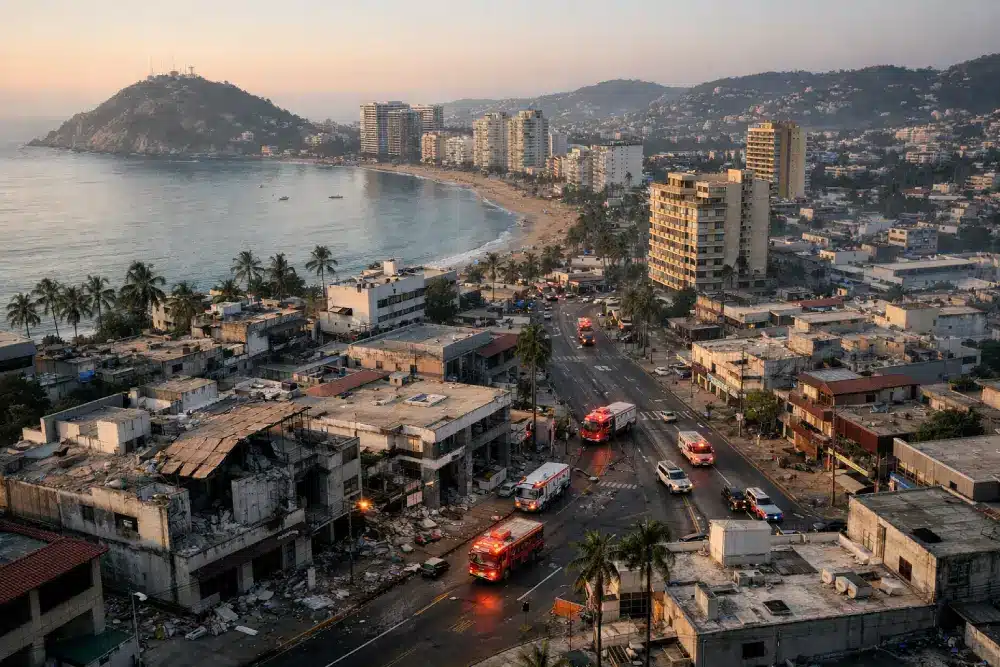
So the Mexico earthquake today delivered a powerful and deadly reminder of the country’s seismic vulnerability as a magnitude 6.5 earthquake struck southern Mexico early Friday, killing at least two people and prompting evacuations across multiple states, as reported by Reuters. The quake, recorded shortly before 8:00 a.m. local time, was felt as far as Mexico City, triggering seismic alarms and emergency protocols nationwide. People are starting to get excited and speculate in the global news and disaster-response community about the broader implications of this event. But what exactly triggered this earthquake?
The tremor raises immediate questions about regional fault stress, infrastructure safety, and the likelihood of further aftershocks. It also places renewed focus on Mexico’s early warning systems and emergency preparedness, particularly in high-risk coastal and central regions.
Let me walk you through what happened.
What Actually Went Down: What the Seismic Data Shows
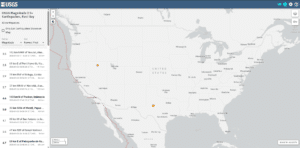
Map showing recent seismic activity recorded by the U.S. Geological Survey (USGS).
Source: U.S. Geological Survey (USGS)
This wasn’t just a brief tremor with limited impact. The first few hours were choppy, marked by strong shaking, aftershocks, and rapidly evolving damage assessments.
According to data released by Mexico’s National Seismological Service (SSN), and corroborated by the U.S. Geological Survey (USGS), the earthquake originated near San Marcos, Guerrero, at a depth of approximately 35 kilometers. and echoed by international monitoring agencies, the earthquake originated near San Marcos, Guerrero, at a depth of approximately 35 kilometers. Ground motion propagated quickly across southern and central Mexico, reaching urban centers within seconds.
Within a span of several hours, the situation developed as follows:
Initial shaking was strongest along the Pacific coastal region
Seismic alerts sounded in Mexico City, prompting evacuations
Aftershocks continued throughout the morning
The seismic movement ranged from a low-intensity phase immediately following the main shock to a peak level of ground acceleration consistent with a mid-to-high magnitude regional event.
Performance highlights from seismic monitoring systems:
- Strong initial shock followed by multiple measurable aftershocks
- Rapid activation of Mexico’s national early warning system
- Wide geographic impact across multiple states
But why now? What is fueling this seismic activity?
Sudden spikes in attention are common across major breaking events that dominate global headlines.
The Bigger Picture: Why Mexico Earthquake Activity Is Rising
The current earthquake unfolded against a broader geological context that experts have long identified as high-risk.
1. Plate Subduction Along the Pacific Margin
Look at Mexico’s geography. The Cocos Plate continues to subduct beneath the North American Plate, a process responsible for many of the country’s strongest earthquakes. Seismologists have repeatedly noted that stress accumulation along this boundary produces periodic large-scale releases of energy.
Recent monitoring data indicates elevated strain in sections of southern Mexico, particularly along Guerrero’s coastal corridor. Historical patterns suggest this region experiences recurring moderate-to-strong earthquakes rather than isolated events.
2. Aftershock Clusters and Ground Instability
As international seismic agencies reported, the main shock was followed by a series of smaller aftershocks throughout the day. These aftershocks, while weaker, increase the risk of structural damage and complicate emergency response efforts.
Authorities noted that some buildings already weakened by the initial tremor required precautionary evacuation. Hospitals and public facilities in affected regions were placed under temporary observation protocols.
3. Urban Exposure and Infrastructure Stress
Mexico’s growing urban density amplifies earthquake risk. Cities such as Mexico City sit atop soft sediment layers that can intensify shaking. Engineers have long warned that even mid-range earthquakes can produce disproportionate damage under these conditions.
Emergency services confirmed that structural inspections were underway in multiple districts, particularly where older buildings remain in use.
So, What’s Next? Aftershocks, Assessments… Or Stabilization?
Earthquake forecasting remains inherently uncertain. However, seismologists generally agree on several near-term expectations.
Technical View / Current Seismic Outlook
If aftershocks continue above magnitude 4.0, authorities may extend emergency monitoring periods. Historically, earthquakes of this size can generate aftershocks for days or even weeks.
Mexico’s seismic networks remain on heightened alert, with continuous monitoring across the southern fault zones.
Public Safety and Response Indicators
Emergency agencies have emphasized public caution, advising residents to avoid damaged structures and remain attentive to official alerts. Schools and government offices in some regions temporarily suspended operations pending safety reviews.
Why This Earthquake Is More Than Just a Number
Beyond the magnitude rating, this event highlights deeper national and regional realities.
Earthquakes test infrastructure resilience, emergency coordination, and public awareness. Mexico’s early warning system once again demonstrated its value by providing critical seconds of advance notice in distant urban areas.
At the same time, the event underscores disparities in building quality and preparedness between regions. Rural communities closer to the epicenter often face higher risk due to limited resources and older construction standards.
Global uncertainty often affects both markets and public sentiment during periods of heightened risk.
Could This Earthquake Signal a Larger Seismic Phase?
It’s a question frequently raised after significant tremors.
Historically, similar earthquakes in southern Mexico have not always preceded larger catastrophic events. However, seismic clusters can indicate broader stress redistribution along fault lines.
Geologists caution that while no immediate escalation is confirmed, continued monitoring is essential. The region’s long-term seismic risk remains unchanged.

What to Keep Your Eye On
Several developments will shape the coming days:
Aftershock frequency and magnitude
Structural damage assessments
Hospital and infrastructure status reports
Updates from Mexico’s civil protection authorities
International seismic agency bulletins
Risks to Keep in Mind
Nothing in seismic activity is risk-free.
Aftershocks pose ongoing dangers, particularly to compromised structures. Landslides remain a concern in mountainous areas of Guerrero. Transportation disruptions and communication outages may persist in isolated regions.
Public officials have urged caution without creating panic, emphasizing preparedness and verified information.
Quick Fundamentals Refresher
Magnitude: 6.5
Epicenter: Near San Marcos, Guerrero
Depth: ~35 km
Fatalities: At least 2 confirmed
Aftershocks: Ongoing
Alert System: National seismic alarms activated
(All figures as per official seismic agencies at press time.)
Source: Mexico National Seismological Service (SSN), USGS, Reuters (at press time)
Beyond the Hype: Why This Actually Matters Long-Term
Mexico’s investment in seismic monitoring and alert infrastructure continues to save lives. However, long-term safety depends on building enforcement, urban planning, and public education.
Events like this influence policy debates around retrofitting older structures and expanding early warning coverage to underserved areas.
Why Now Could Be Different
Previous earthquakes occurred before widespread alert systems and modern construction codes were in place. Today’s landscape includes:
Broader early-warning coverage
Improved emergency coordination
Faster information dissemination
Increased public earthquake awareness
These factors significantly reduce potential casualties compared to past decades.
Final Thoughts
The Mexico earthquake today represents a serious but managed national emergency. While the loss of life is tragic, rapid response and preparedness prevented far greater harm.
Authorities continue to assess damage and monitor seismic activity. Residents are urged to follow official guidance and avoid speculation.
Earthquakes cannot be prevented, but their impact can be reduced through vigilance, preparation, and resilient infrastructure.
About the Author
Sundhanshu Pathania is an independent journalist covering natural disasters, infrastructure risk, and environmental safety. His reporting focuses on data-driven analysis of earthquakes, climate events, and public preparedness across Asia and the Americas.

Sundhanshu Pathania works as a content analyst and writer at Multi News Hub. He focuses on analyzing news trends and writing articles related to global affairs, technology updates, sports, and trending topics.
His role involves reviewing multiple news sources, understanding search behavior, and presenting information in a clear, reader-friendly format. He contributes to the platform by researching topics and ensuring factual clarity in published content.
1 thought on “Mexico Earthquake Today: Magnitude 6.5 Tremor Claims 2 Lives”