
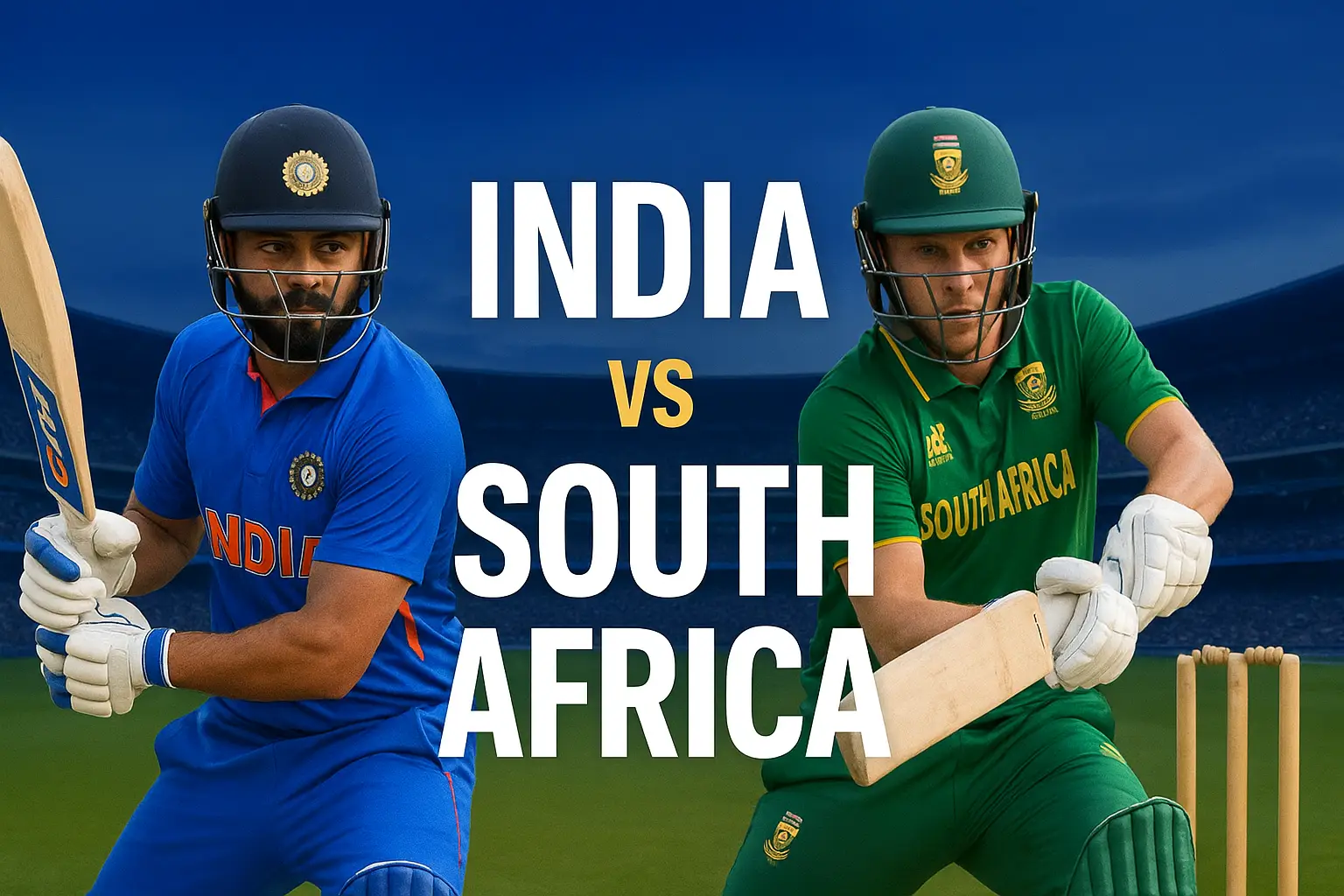
When India takes on South Africa on the cricket field, fans around the world know they are in for something special. These two cricketing powerhouses have delivered some of the most nail-biting, heart-stopping matches in international cricket history. Whether it’s the raw pace of South African bowlers against India’s batting maestros or the spin wizardry against aggressive stroke play, every encounter tells a unique story. Let me take you through what makes these scorecards so fascinating and why cricket enthusiasts keep coming back for more.
The Historical Context: More Than Just Numbers
The India-South Africa cricket rivalry didn’t begin until 1991-92, when South Africa returned to international cricket after their isolation period. Since then, these two nations have faced each other in nearly 200 matches across all formats. What’s remarkable is how competitive this rivalry has remained throughout the decades.
I’ve been following cricket for over two decades, and I can tell you that India vs South Africa matches have a different energy altogether. The scorecards from these encounters often reveal thrilling finishes, individual brilliance, and tactical masterclasses that deserve detailed analysis.
Source: International Cricket Council (ICC)
Understanding Cricket Scorecards: The Basics
Before we dive into specific India-South Africa encounters, let’s understand what a cricket scorecard actually tells us. A typical scorecard isn’t just about runs and wickets it’s a detailed narrative of the match.
Key Components of a Cricket Scorecard:
- Batting Performance: Runs scored by each batsman, balls faced, boundaries hit (fours and sixes), and strike rate
- Bowling Figures: Overs bowled, maidens, runs conceded, wickets taken, and economy rate
- Fall of Wickets: When each wicket fell and at what score
- Extras: Byes, leg-byes, wides, and no-balls that add to the team total
- Partnerships: Run contributions between batting pairs
- Match Result: Winner, margin of victory, and player of the match
Test Match Battles: Where Character Is Tested
Test cricket between India and South Africa has produced some genuinely memorable scorecards. South Africa has historically held an advantage in Test matches, particularly when playing at home. Their record at venues like Cape Town, Johannesburg, and Centurion shows how challenging these conditions are for visiting teams.
Also read: SSC GD Constable: Your Complete Guide to Joining India’s Paramilitary Forces
The Johannesburg Test (2018)
One scorecard that stands out is from January 2018 at the Wanderers Stadium. India chased down 241 runs in the fourth innings a remarkable achievement on a difficult pitch. The scorecard showed Virat Kohli scoring 35 runs in both innings, but it was the collective effort that mattered. India won by 63 runs after bowling out South Africa for just 177 in their second innings.
What made this scorecard special was India’s bowling performance. Jasprit Bumrah took 5 wickets for 54 runs in the second innings, demonstrating how Indian pace bowling had evolved to compete in South African conditions. Mohammed Shami and Bhuvneshwar Kumar provided excellent support, and the scorecard reflected a complete team performance.
Historical Test Statistics
Looking at the overall Test record, South Africa has won approximately 54% of Test matches against India, with India winning around 27%. These numbers tell us that South Africa’s home advantage has been significant, though India has steadily improved their overseas performance in recent years.
ODI Encounters: High-Scoring Thrillers

One-Day Internationals between these teams often produce scorecards that cricket statisticians love to analyze. Both nations have explosive batting lineups and quality bowling attacks, leading to high-scoring contests.
The 2011 World Cup Clash
During the 2011 ICC World Cup held in India, the two teams met in a group stage match at Nagpur. India posted 296/4 in their 50 overs, with Sachin Tendulkar scoring 111 runs. The scorecard showed South Africa responding with 300/7, winning by 3 wickets with just 2 balls remaining. This match demonstrated the kind of pressure-cooker situations these teams create for each other.
ODI Series Dynamics
In bilateral ODI series, India holds a slight edge overall, with a win percentage around 52%. However, the margins are often thin. Recent scorecards from ODI matches show totals frequently exceeding 280-300 runs, reflecting modern batting approaches and smaller boundaries at many venues.
A typical competitive scorecard might show:
- First innings: 300-320 runs in 50 overs
- Strike rates above 90 for top-order batsmen
- Economy rates of 5.5-6.5 for successful bowlers
- Multiple half-centuries rather than big individual hundreds
Source: Board of Control for Cricket in India (BCCI)
T20 International Fireworks
T20 cricket has added another dimension to this rivalry. The scorecards from T20 matches between India and South Africa are often packed with sixes, aggressive strike rates, and death-over drama.
IPL Influence on T20 Scorecards
Many players from both countries compete together in the Indian Premier League, which influences how they approach bilateral T20 matches. The familiarity shows in the scorecards bowlers know batsmen’s weaknesses, and batsmen understand bowling strategies.
In recent T20 encounters, scorecards typically show:
- Team totals ranging from 150-200 runs in 20 overs
- Individual strike rates exceeding 150 for power hitters
- Powerplay scores of 50-60 runs becoming standard
- Death-over economics often determining match outcomes
Reading Between the Lines: What Scorecards Don’t Show
As someone who analyzes cricket deeply, I’ve learned that scorecards tell only part of the story. They don’t capture the pressure of a hostile crowd, the swing and seam movement on a cloudy Johannesburg morning, or the mental battle between a spinner and a batsman.
Hidden Factors Affecting Scorecards:
- Pitch Conditions: A scorecard showing 250 all out on a batting paradise is different from the same score on a difficult pitch
- Weather Impact: Overcast conditions in South Africa assist swing bowling, affecting scoring patterns
- Match Situation: A 50-run innings chasing 180 has different value than scoring 50 when your team bats first
- Quality of Opposition: Individual performances should be viewed within the context of bowling quality
Key Players Who Have Dominated Scorecards
Certain players’ names appear prominently on India-South Africa scorecards across formats.
Source: The Cricket Monthly
Indian Standouts:
- Sachin Tendulkar: Over 1,000 Test runs against South Africa with 5 centuries
- Virat Kohli: Exceptional ODI record with multiple centuries across South African venues
- Jasprit Bumrah: Emerging as India’s pace spearhead with impressive bowling figures
- Rohit Sharma: Known for converting starts into big scores in limited-overs formats
South African Legends:
- AB de Villiers: His innovative stroke play produced some remarkable individual scorecards
- Dale Steyn: Terrorized Indian batsmen with pace, accumulating over 70 Test wickets
- Jacques Kallis: All-round contributions made him invaluable in scorecards
- Hashim Amla: Consistently scored runs across formats with his classical technique
Recent Trends in Match Scorecards (2020-2024)
The cricket landscape has evolved significantly in recent years, and scorecards reflect these changes. India’s improved pace bowling depth shows in better bowling figures abroad. South Africa’s rebuilding phase after several retirements shows in more competitive but occasionally inconsistent performances.
The COVID-19 pandemic also affected scheduling, meaning fewer encounters between 2020-2021. However, recent series have shown India becoming more competitive in South Africa, with closer margins visible in match scorecards.
Also read: Stock Market Crash: Causes, Warning Signs, History, and How Investors Can Protect Their Money
How to Analyze a Scorecard Like a Pro
When you look at an India-South Africa scorecard, here’s what experts focus on:
- Partnership Analysis: Which batting partnerships built innings momentum?
- Bowling Phases: Who controlled the powerplay, middle overs, and death overs?
- Turning Points: When did the match shift? Often visible in fall-of-wickets progression
- Role Fulfillment: Did players execute their specific roles (anchors, aggressors, strike bowlers)?
- Comparison Metrics: How do individual performances compare to historical averages?
The Impact of Venue on Scorecards
Venue selection dramatically affects what scorecards look like. South African venues like Centurion and Johannesburg, situated at high altitude, assist fast bowling and offer extra bounce. Indian venues vary from spin-friendly tracks in Chennai to pace-friendly conditions in Bangalore.
When reading scorecards, consider:
- Historical scoring patterns at that venue
- Typical first innings vs. second innings scores
- Average successful chase totals
- Wicket-taking bowler types (pace vs. spin)
The Future of This Rivalry
As we look ahead, the scorecards from India-South Africa matches will continue evolving. India’s bench strength across formats has never been stronger, while South Africa is nurturing exciting young talent. Future scorecards might show even higher scores in limited-overs cricket as batting techniques and equipment technology advance.
The World Test Championship has added extra significance to Test match scorecards, as points directly affect championship standings. Similarly, ODI and T20 World Cups ensure that bilateral series serve as crucial preparation, making every scorecard meaningful.
Also read: Black Friday Sales 2025: Your Ultimate Guide to the Biggest Shopping Event of the Year
Conclusion
Cricket scorecards between India and South Africa are much more than statistical records they’re historical documents capturing the evolution of two great cricketing nations. From the tentative early encounters of the 1990s to the highly competitive modern-day battles, these scorecards tell stories of individual brilliance, team strategy, and sporting excellence.
Whether you are examining Tendulkar’s masterful centuries, Steyn’s devastating bowling spells, or the recent emergence of players like Bumrah and Rabada, each scorecard offers insights into cricket’s beautiful complexity. As fans, we’re privileged to witness this rivalry continue growing stronger with each encounter.
The next time you see an India vs South Africa scorecard, remember to look beyond just the final score. Examine the partnerships, analyze the bowling changes, understand the context, and appreciate the human stories behind those numbers. That’s where cricket’s real magic lies.

Sundhanshu Pathania works as a content analyst and writer at Multi News Hub. He focuses on analyzing news trends and writing articles related to global affairs, technology updates, sports, and trending topics.
His role involves reviewing multiple news sources, understanding search behavior, and presenting information in a clear, reader-friendly format. He contributes to the platform by researching topics and ensuring factual clarity in published content.
1 thought on “India vs South Africa Cricket Rivalry: A Deep Dive into Their Epic Match Scorecards”